
The COVID-19 pandemic has resulted in considerable flexibility for telehealth, enabling providers to prescribe controlled medications to their patients virtually, without an in-person visit. However, the Drug Enforcement Administration (DEA) faced backlash from its proposed rules released in February, which sought to provide safeguards against the virtual over-prescribing of controlled medications.
The DEA is weighing whether to enforce stricter limits regarding the prescription of controlled substances via telehealth.
The agency received a record 38,000 comments on its proposed telemedicine rules by active clinicians and concerned citizens who would be adversely affected. As the pandemic is winding down, telehealth providers are cheering the DEA's decision to extend the COVID rules for telemedicine, at least temporarily.
The proposed rules include significant changes that would have tremendous impact on telehealth:
- It would no longer allow Schedule 2 medications or narcotics to be prescribed via synchronous video and would require an in-person visit.
- Schedule 3 or higher medications would require an in-person visit before a refill but could initially be prescribed for 30 days via telehealth. This includes drugs like buprenorphine, Ambien, Valium, Xanax, and ketamine.
According to the CDC, the increased use of telehealth was associated with a reduced risk for fatal opioid overdose. A recent collaborative study between lead researchers at the National Center for Injury Prevention and Control, the Centers for Disease Control and Prevention (CDC), and other organizations, was published in JAMA Psychiatry in March of 2023 and analyzed over 175,000 Medicare beneficiaries.
While telehealth providers are happy about the DEA's decision to extend the temporary telehealth flexibilities, it remains to be seen how long the extension will be and when the DEA will issue its final rule. The DEA is now considering how to move forward to give Americans access to needed medications while implementing appropriate safeguards to prevent online over-prescribing of controlled medications. As a result, telehealth providers remain hopeful that the DEA will arrive at a decision that enables patients to continue receiving the safe and effective care that they have come to rely on since the beginning of the pandemic.
An in-depth analysis conducted by the law firm of Foley and Lardner LLP and authored by Nathan A. Beaver, Nathaniel M. Lacktman, Thomas B. Ferrante, Rachel B. Goodman and Kyle Y. Faget addressed some of the details of this development:
What is the purpose of the rule? The intent behind this rule is to extend the flexibilities of the COVID-19 global health crisis so that patients do not experience an interruption in care, and to continue telemedicine relationships established during that time.
What are the dates in question? The rule extends the DEA's COVID-19 PHE telemedicine flexibilities through November 11, 2023. Any relationships established via telemedicine on or before that date will benefit from these flexibilities through November 11, 2024.
The article goes on to lay out exactly which DEA waivers are extended under the rule and lists exceptions.
- DEA-registered practitioners are not required to obtain additional registration(s) with DEA in the additional state(s) where the dispensing (including prescribing and administering) occurs, for the duration of the public health emergency declared on January 31, 2020, if authorized to dispense controlled substances by both the state in which a practitioner is registered with DEA and the state in which the dispensing occurs.
- Please reference the full DEA letters here:
- A March 25, 2020 “Dear Registrant” letter signed by William T. McDermott, DEA’s then-Assistant Administrator, Diversion Control Division.
- A March 31, 2020 “Dear Registrant” letter signed by Thomas W. Prevoznik DEA’s then-Deputy Assistant Administrator, Diversion Control Division.
See the article for full details.
Telemedicine companies must remain focused on preparation for care after this date. Based on the timeframe of the extension, it is probable the DEA will issue a new telemedicine final rule (based on the March proposed rule) prior to November 11, 2023. We will continue to monitor for updates.
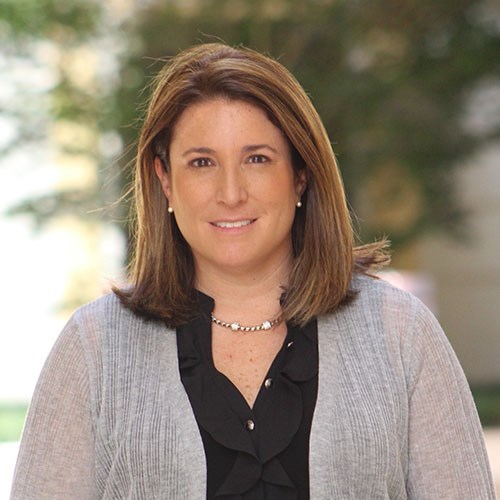
About the author
Dr. Pamela Ograbisz, DNP, FNP-BC, FAANP
Vice President of Clinical Operations
Dr. Pamela Ograbisz serves as the Vice President of Clinical Operations at LocumTenens.com and LT Telehealth, where she plays a key role in shaping the organization’s telehealth strategy, expanding advanced practice provider programs, and leading legislative advocacy efforts. With a strong foundation in clinical care and health policy, she works across both strategic and operational domains to champion APP rights, enhance access to virtual care, and ensure compliance with evolving healthcare regulations. Her expertise enables clients and providers to implement and scale critical medical programs using evidence-based best practices, delivering consistent, high-quality care across diverse populations.
Bringing 28 years of experience in cardiothoracic surgery and internal medicine, Dr. Ograbisz has been a trailblazer for nurse practitioners in both the operating room and critical care environments. Since 2018, she has developed and launched over 2,700 telehealth and hybrid care programs for hospitals and clinics, spanning more than 60 medical specialties.
Dr. Ograbisz earned her Bachelor of Science in Nursing from George Mason University and was named a Mason Scholar. Her Master of Science as a Family Nurse Practitioner was completed at Old Dominion University, and her Doctorate obtained at Augusta University/Medical College of Georgia.