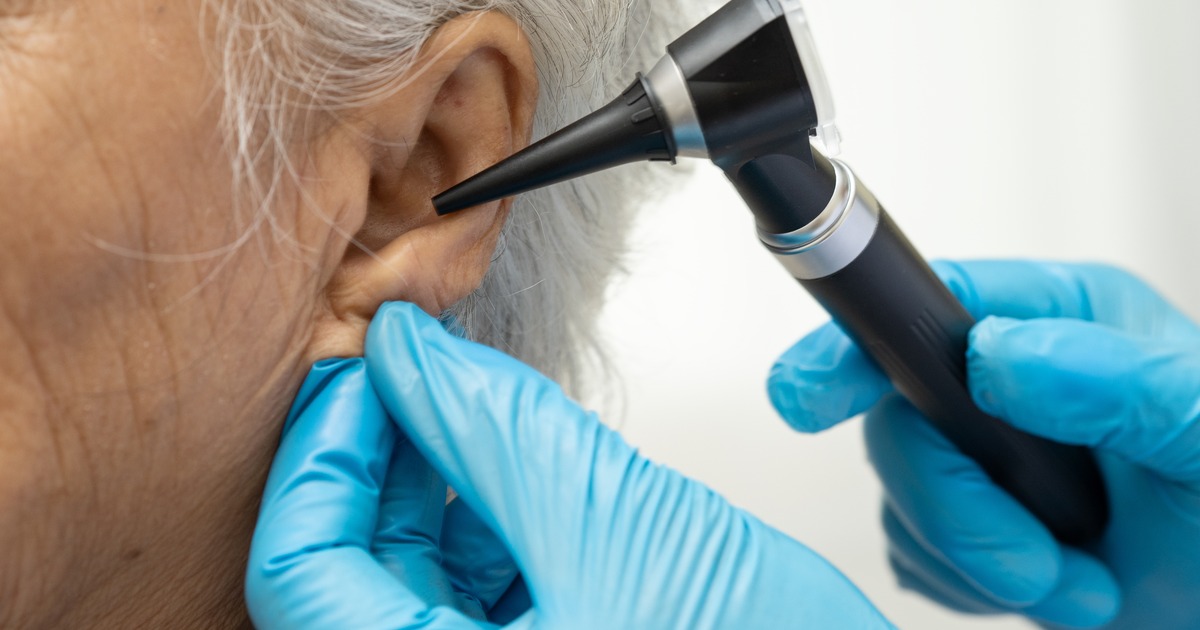
Why is demand for audiologists growing so rapidly?
Population aging is the top driver for growth in audiology care. Research by the NIDCD shows that hearing loss affects:
- 22% of adults ages 65 to 74
- 55% of those 75 and older
- 96% of adults by age 90
By 2030, all Baby Boomers will be over 65. This dramatically expands the population that will require routine audiology care like hearing evaluation and intervention.
Beyond the demographic aspect, the clinical understanding of hearing loss has shifted as well. Untreated hearing loss is now associated with higher rates of depression, falls, social isolation and cognitive decline. Adults with moderate or worse hearing loss have more than double the depression rate of those with normal hearing. That clinical weight is pushing facilities toward earlier screening and longitudinal audiology care, not just device dispensing.
"Untreated hearing loss is now associated with higher rates of depression, falls, social isolation and cognitive decline."
Is there a shortage of audiologists right now?
Yes. Despite an 83% growth in the American hearing healthcare workforce between 2012 and 2022, the majority of U.S. counties qualify as audiology shortage areas at a whopping 75%.
To that end, the Bureau of Labor Statistics projects 9% job growth for audiologists through 2034, faster than average, meaning demand will continue to outpace supply. For facilities in rural or Southern markets, the gap is especially pronounced.
Should healthcare facilities staff permanent or temporary audiologists?
Not every audiology need warrants a traditional permanent, full-time position. Locum tenens audiologists are well-suited for hospitals and clinics in transitional phases, such as launching a new audiology service line or managing increased seasonal volume. For many ENT programs, a locum placement is also a low-risk way to validate patient demand before committing to any number of full-time positions.

Which facilities need audiology coverage?
Any care-providing organization with an ENT program should consider whether to staff audiology providers. Audiologists work alongside otolaryngologists on hearing loss, tinnitus, balance disorders and post-surgical rehabilitation. If those patients are seeing your ENT physicians, they need access to an audiologist too. Locum tenens coverage is also well-suited for:
- Hospitals with geriatric or senior care programs
- Pediatric facilities evaluating children for hearing and developmental concerns
- VA and military treatment facilities
- Outpatient clinics in shortage areas where a permanent hire is not feasible
How do I add audiology coverage to my facility?
LocumTenens.com handles sourcing, credentialing, licensing verification, malpractice coverage and travel logistics so your team can focus on delivering the patient care they were trained for. Reach out to our team to learn how to add audiology to your facility's toolbelt.

About the author
Kevin Marvel
Managing director, recruiting, clinic-based surgery
Kevin Marvel is an experienced recruiting leader and Managing Director based in Alpharetta, Georgia, known for his dedication to developing high-performing teams and delivering meaningful talent solutions. Since joining LocumTenens.com in 2019, he has brought a strategic, people-centered approach that has shaped and elevated key recruiting initiatives across the organization.
Kevin is recognized for a leadership style grounded in empathy and intention — bridging talent acquisition strategy with broader business goals while building lasting, trust-based relationships with stakeholders at every level. His ability to coach and motivate teams has helped foster a workplace culture defined by collaboration, adaptability, and a commitment to growth.
His influence reaches well beyond results and metrics. Kevin is a strong advocate for employee well-being and meaningful connection, championing a work environment where people feel supported, valued, and engaged. He believes that shared experiences and a sense of belonging are essential ingredients in building teams that thrive, both professionally and personally.