
Which states have full practice authority for advanced practice providers?
Advanced practice providers (APPs), including nurse practitioners (NPs), physician associates (PAs), certified registered nurse anesthetists (CRNAs) and licensed clinical social workers (LCSWs), face different scope of practice rules in every state. Some states grant broad clinical autonomy while others require physician supervision or nuanced collaboration agreements that limit what you can do according to your training. If you are evaluating your next permanent role or locum tenens assignment, the regulatory landscape matters as much as the pay rate.
The good news is that several interstate licensure compacts are aiming to make it easier for providers to work across state lines. Here is where each one stands at present:
- Nurse Licensure Compact (NLC): 43 jurisdictions. Covers RNs and LPNs only. Does not extend to advanced practice authority.
- Advanced Practice Registered Nurse (APRN) Compact: 5 states enacted (needs 7 to activate). Would cover NPs, CRNAs, CNMs and CNSs. Not yet issuing licenses.
- Physician Assistant (PA) Licensure Compact: 24 member states. Operational and growing.
- Social Work Licensure Compact: 25+ states enacted. Multistate licenses expected to begin in 2026.
What are the best states to work as a nurse practitioner (NP)?
Nurse practitioners have full practice authority in 30 U.S. jurisdictions, meaning they can evaluate, diagnose, treat and prescribe without a collaborative agreement. States with full practice authority tend to have stronger recruitment in rural and underserved areas. The BLS reports a median NP salary of $129,210 as of May 2024, with employment projected to surge 35% through 2034.
For NPs evaluating their next assignment, states like Washington, Oregon, New Mexico and Arizona combine full practice authority with strong demand. When adjusted for cost of living, states like Oklahoma, Iowa and Kansas offer some of the best purchasing power.
What are the best states to work in as a physician associate/physician assistant (PA)?
No state grants PAs the same blanket independent authority that NPs have, but the range is wide. Eight states have removed the legal requirement for a physician supervisory relationship. Maine became the latest in April 2026, achieving what the AAPA calls the "trifecta" of PA practice modernization. The BLS reports a median PA salary of $133,260 as of May 2024, with 20% job growth projected through 2034.
States that combine the broadest scope with competitive pay include Iowa, Montana, North Dakota and Wyoming. For higher raw compensation, Connecticut and Washington lead for now.
What are the best states to work in as a certified registered nurse anesthetist (CRNA)?
CRNAs are the highest paid nursing professionals in the country, with salaries topping $223,000 in recent years. Twenty-nine states plus Washington, D.C. allow CRNAs to practice without physician supervision, according to the AANA. CRNAs represent more than 80% of anesthesia providers in rural communities, where both scope and compensation tend to be strongest.
States that combine independent practice authority, high pay and strong demand include Montana, Wyoming, New Hampshire and Oregon. Rural assignments often offer the broadest clinical autonomy.
What are the best states to work in as a licensed clinical social worker (LCSW)?
The LCSW landscape is changing fast. The Social Work Licensure Compact has been enacted in more than two dozen states and is on track to begin issuing multistate licenses in 2026, according to the ASWB. For LCSWs doing telehealth or locum tenens work, this could dramatically expand available opportunities. The BLS reports a median social worker salary of $61,330, with the LCSW role expected to grow 6% through 2034. The highest-paying states include Rhode Island, Washington and the District of Columbia.
How to factor scope of practice into your next assignment
Compensation matters, but so does what you are allowed to do when you get there. Scope of practice and supervision requirements vary state to state and can change. It is worth reviewing the current requirements before starting a new assignment:
- NPs: AANP State Practice Environment map
- PAs: AAPA PA State Practice Environment map
- CRNAs: AANA Practice in Your State tool
- LCSWs: Social Work Licensure Compact website
From there, LocumTenens.com can help with the rest. Your recruiter can walk you through what is and is not permitted in a target state, and match you with opportunities where your credentials qualify you to work to the top of your license.
Ready to explore what is available? Connect with your dedicated recruiter who can help you find the right fit for your career, not just your next assignment.
About the author
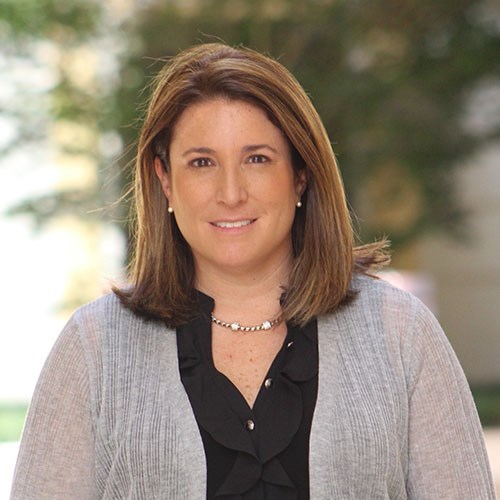
Dr. Pamela Ograbisz, DNP, FNP-BC, FAANP
Vice President of Clinical Operations
Dr. Pamela Ograbisz serves as the Vice President of Clinical Operations at LocumTenens.com and LT Telehealth, where she plays a key role in shaping the organization’s telehealth strategy, expanding advanced practice provider programs, and leading legislative advocacy efforts. With a strong foundation in clinical care and health policy, she works across both strategic and operational domains to champion APP rights, enhance access to virtual care, and ensure compliance with evolving healthcare regulations. Her expertise enables clients and providers to implement and scale critical medical programs using evidence-based best practices, delivering consistent, high-quality care across diverse populations.
Bringing 28 years of experience in cardiothoracic surgery and internal medicine, Dr. Ograbisz has been a trailblazer for nurse practitioners in both the operating room and critical care environments. Since 2018, she has developed and launched over 2,700 telehealth and hybrid care programs for hospitals and clinics, spanning more than 60 medical specialties.
Dr. Ograbisz earned her Bachelor of Science in Nursing from George Mason University and was named a Mason Scholar. Her Master of Science as a Family Nurse Practitioner was completed at Old Dominion University, and her Doctorate obtained at Augusta University/Medical College of Georgia.