But the use of predictive analytics is becoming an effective tool in a shift toward more proactive workforce planning.
Healthcare workforce pressures are ongoing. The Association of American Medical Colleges expects continued physician shortages across many specialties over the next decade.
What this means for hospital leaders is clear: Workforce planning is no longer just about filling shifts. It is about anticipating future coverage needs and preventing care interruptions.
Projected physician shortfall range, 2021–2036 (AAMC)
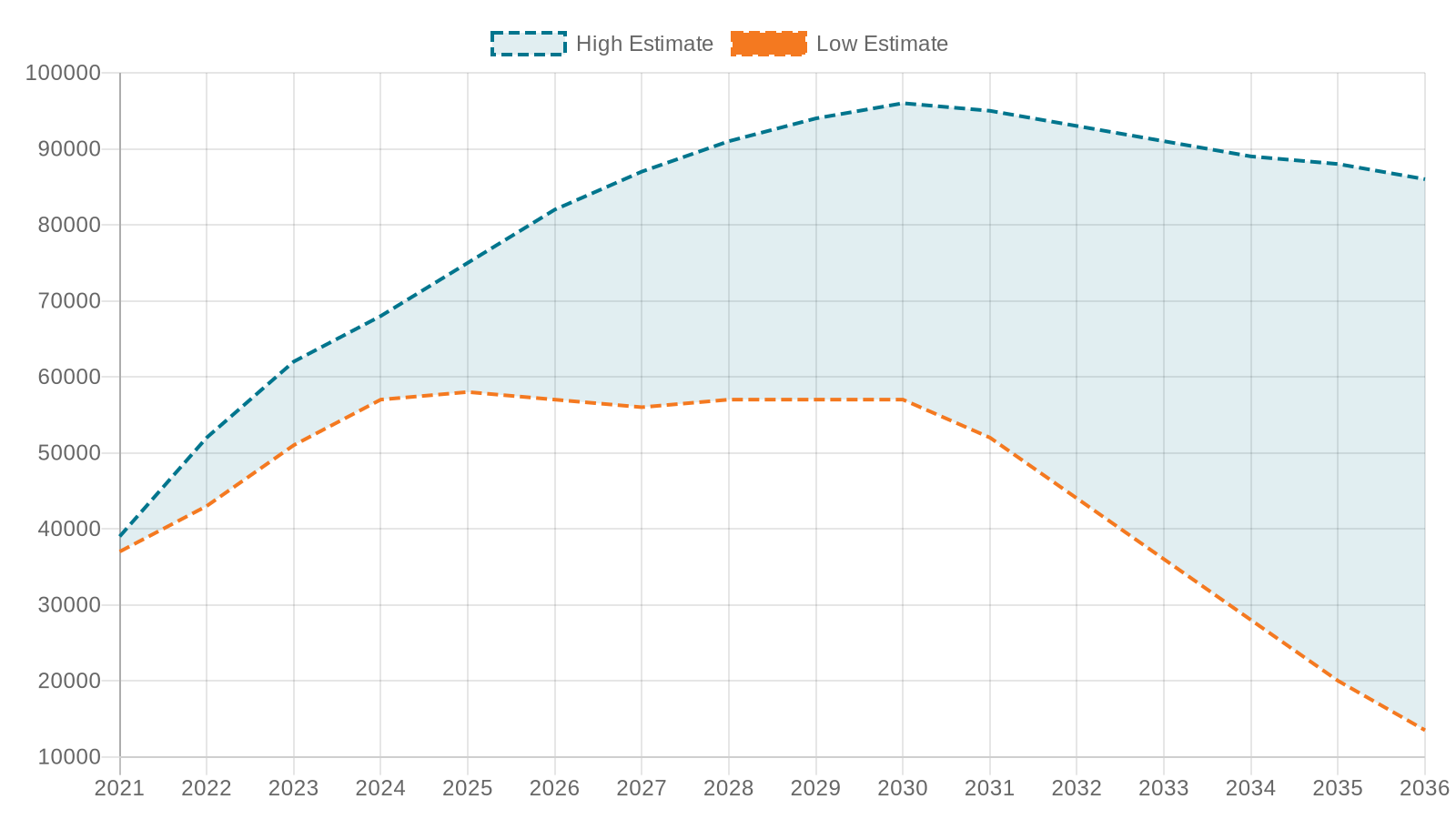
Source: AAMC (PDF download)
What does it mean to use predictive analytics in workforce planning?
Healthcare systems don't need complex artificial intelligence systems or sophisticated data science teams to have proactive workforce scheduling. At its core, predictive analytics involves identifying historical patterns in workforce and operational data for the purpose of forecasting staffing needs.
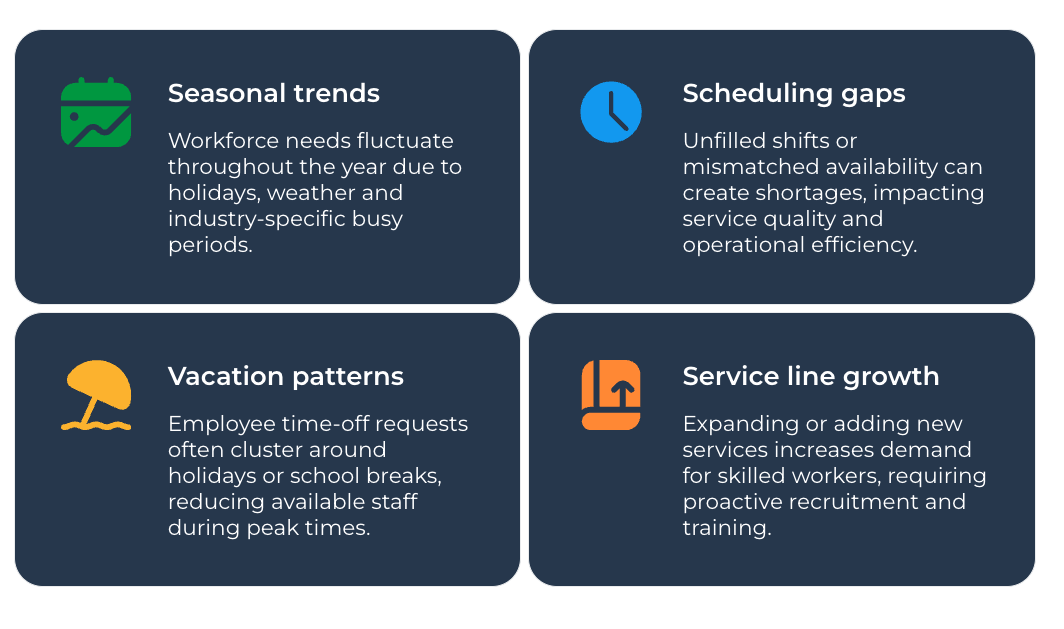
Some common factors that affect workforce supply and demand include:
- Seasonal patient demand trends
- Scheduling gaps or overtime spikes that recur
- Team vacation patterns
- Service line growth and procedural demand
The goal is not to predict when individual clinicians will take time off. Rather, predictive analytics focuses on system-level patterns that enable organizations to plan sufficient staffing coverage through expected (and unexpected) fluctuations.
Many health systems are already investing in data-driven operational planning. Research from McKinsey highlights how healthcare organizations use analytics to improve staffing decisions and hold themselves to a higher level of operational efficiency.
Why predictive thinking matters for medical staffing
Healthcare workforce shortages are not temporary disruptions, but a structural reality. Predictive workforce planning helps healthcare organizations manage that pressure by:
- Reducing last-minute coverage crises
- Better forecasting overtime and necessary contract labor
- Improving the clinician experience through more balanced scheduling
- Improving the continuity of care for patients
This approach aligns with broader workforce planning trends across healthcare. The American Hospital Association notes that hospitals are increasingly exploring new staffing models to address long term workforce shortages and improve care continuity.
"Healthcare workforce stability increasingly depends on anticipating staffing needs rather than reacting to them."
Data visibility leads to smarter staffing strategies
Technology platforms are also equipping healthcare organizations with clearer visibility into their own workforce patterns. Platforms such as Kimedics facilitate provider scheduling and workforce visibility across departments and service lines. These tools help healthcare leaders identify trends in provider availability and scheduling coverage, and spot informative operational gaps. Workforces become much more flexible and coverage gaps disappear as hospitals and clinics build stability into their operations.
A conversation worth having
Healthcare organizations across the country are exploring how predictive workforce insights and flexible staffing models can work together. At LocumTenens.com, we work with health systems to design care models with the flexibility to withstand both foreseen and unforeseen staffing challenges. If your organization is evaluating ways to achieve stability in your provider coverage, reach out today to learn how to get ahead of your next outage... and the dozen that will follow.