
Key takeaways
- Telehealth adoption in benign hematology improves access to care and reduces patient burden.
- Tele-oncology is forecasted to reach $34.36 billion by 2035.
- Telehealth adoption among patients aged 80+ exceeds 20%, overturning assumptions about older adults and technology. Early adoption in benign hematology serves as a proven model for broader tele-oncology implementation strategies.
While malignant oncology garners most headlines, benign hematology (encompassing conditions like anemia, clotting disorders and non-cancerous blood diseases) represents a strong entry point for healthcare organizations seeking to expand telehealth or hybrid remote/onsite service offerings.
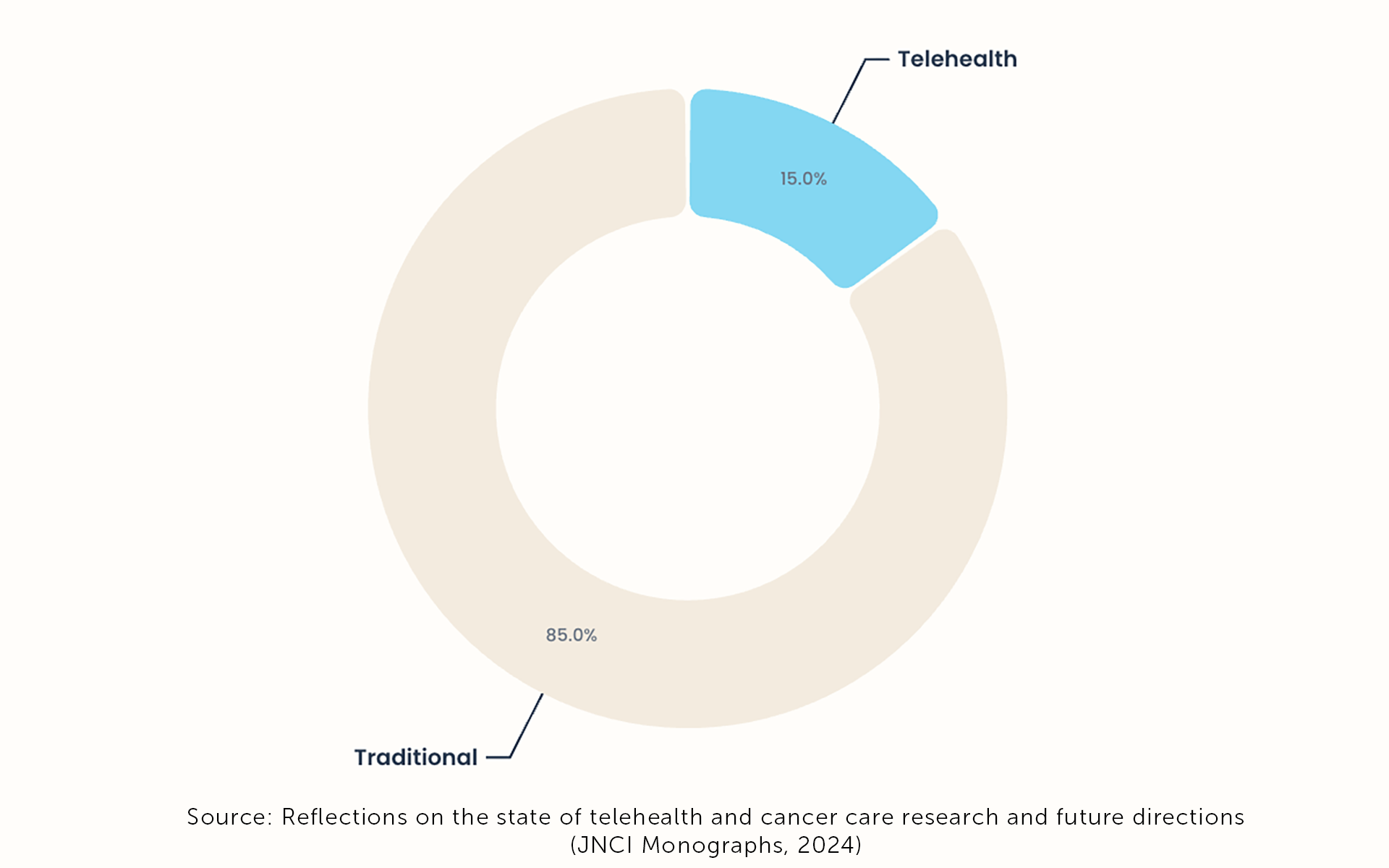
The numbers make a strong case for tele-oncology: Approximately 15% of oncology visits now occur via telehealth. Looking a little farther down the road, the tele-oncology sector is expected to reach $34.36 billion by 2035, growing at 19.64% annually. For hospital administrators and oncology program directors, it is no longer a question of if, but how quickly telehealth services can be effectively rolled out for hematology care.
Expanding telehealth with benign hematology
Millions of Americans are affected by benign hematology conditions, but access remains inconsistent to this specialized care. Patients with conditions like iron deficiency anemia, thrombocytopenia, von Willebrand disease and other blood disorders classified as non-malignant often require continuing monitoring by a specialist. This kind of care currently involves repeated in-person visits to specialty clinics.
The burden patients shoulder must be addressed by the care delivery system. Rural patients often face unsustainable travel distances for a follow-up that takes 20 minutes and doesn’t strictly require their presence. Working adults may have to choose between losing pay and tending to their personal health. Caregivers navigate complex scheduling between work, school, daycare and other obligations. For conditions requiring primarily clinical assessment, lab review and medication management, the requirement of an in-person meeting creates inefficiency for all without offering a proportional clinical benefit.
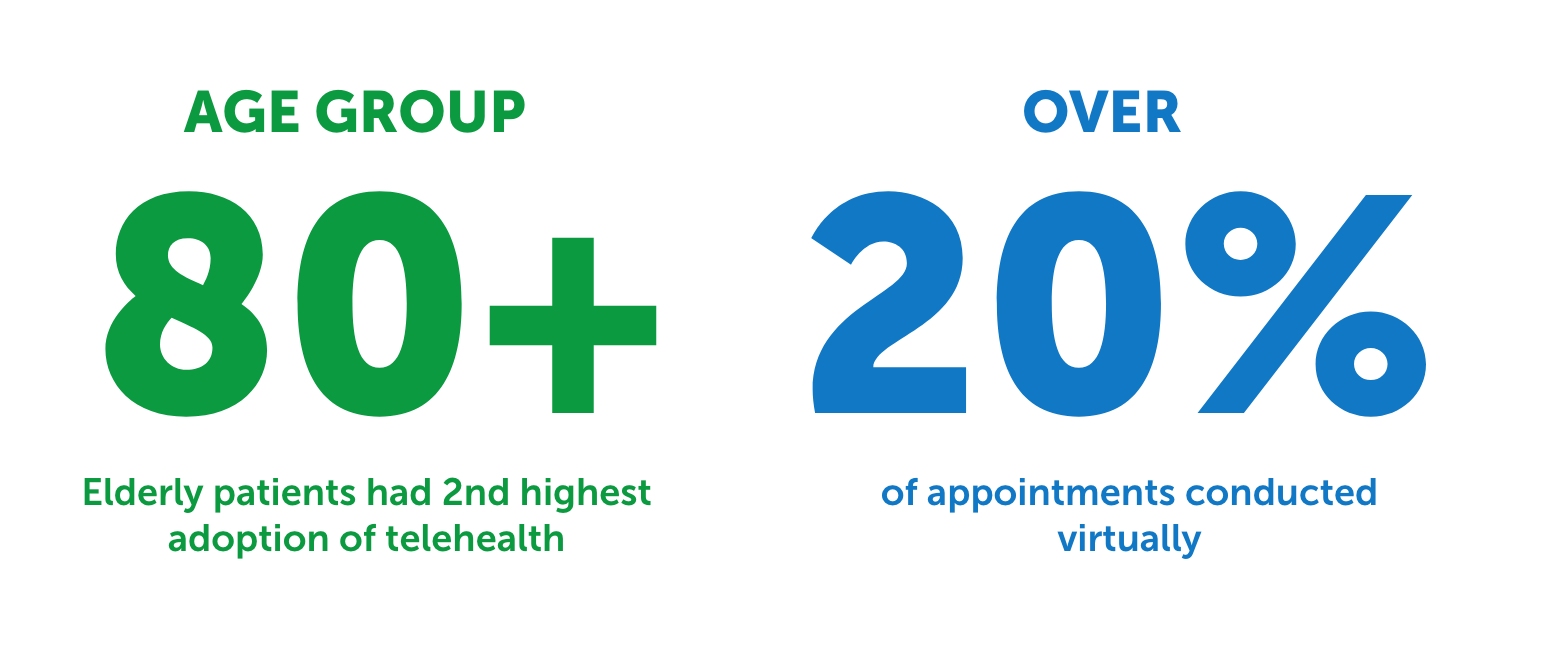
Telehealth directly addresses these barriers. Virtual consultations (both video and audio calls) enable hematologists to review labs, adjust anticoagulation protocols, assess symptoms and educate patients without requiring either party to travel. One Mayo Clinic analysis of hematology patient appointments observed that patients aged 80 and older conducted over 20% of their visits virtually, demonstrating strong acceptance even among an age group traditionally considered to be technology-averse.
Measurable benefits for patients and health systems
Patient convenience is just one benefit. A well-planned telehealth program creates value for patients, providers and health systems, improving the healthcare experience for all.
|
For patients
|
For health systems
|
The financial case is equally compelling. Organizations investing in telehealth infrastructure for benign hematology create reusable frameworks that scale across oncology subspecialties, maximizing return on technology investments.
Market momentum and strategic positioning
Current data indicates 15% of oncology visits now occur via telehealth, a percentage expected to increase as both patients and providers increasingly recognize the advantages of fully remote care and hybrid telehealth strategies. Benign hematology conditions align perfectly with virtual care delivery:
- Diagnostic work often does not require robust physical exam
- Treatment monitoring maps naturally to virtual platforms
- Patient education benefits from home-based consultations
- Medication adjustments can be sent efficiently through secure channels
Regulatory environments continue to evolve in favorable ways. Medicare and major commercial payers have extended pandemic-era flexibilities, maintaining reimbursement parity for appropriate virtual visits. State licensure compacts have expanded, enabling specialists to serve patients across wider geographic areas.
A strategic model for benign hematology
Healthcare organizations implementing telehealth in benign hematology are doing more than improving a single service line. They are creating a framework for comprehensive tele-oncology expansion and making healthcare substantially better.
Benign hematology serves as an ideal pilot because it offers lower clinical complexity for workflow refinement, high patient volume for rapid feedback, measurable outcomes for clear ROI demonstration and higher physician acceptance for conditions with established management algorithms. The strategic imperative is clear.
Clinics and hematology departments have a clear choice: move quickly to establish competitive advantage or cede market position to more agile competitors.
Next steps for leaders in oncology care
Keeping in mind the benefits of remote care for those on both sides of care delivery, it’s clear why healthcare systems are investing in telehealth infrastructure in 2026.
LocumTenens.com offers specialized telehealth solutions custom tailored to your oncology care needs. Our approach combines consultations with experienced, practicing clinicians with a proven virtual care infrastructure, enabling rapid rollout without lengthy hiring and training cycles. Learn more about LT Telehealth's solutions for oncology programs at www.lttelehealth.com today.