Key takeaways
- Most U.S. hospitals lack on-site ID specialists, making tele-ID a clinical necessity.
- Tele-ID delivers measurable outcomes. Hospitalist and ICU teams frequently accept specialist recommendations, and tele-ID stewardship programs have reduced antibiotic overuse.
- The workforce shortage is getting worse, with the lowest adult ID fellowship programs filled in recent NRMP matches.
With infectious disease doctors already comprising less than 1% of the physician workforce, a staggering 80% of U.S. counties have no infectious disease physician whatsoever. This leaves hospitalists largely on their own to manage sepsis, multidrug-resistant organisms (MDROs) and antibiotic stewardship.
Tele-infectious disease (Tele-ID) is becoming the primary mechanism for closing that gap in care, and the clinical evidence behind it is growing.
A collapsing infectious disease workforce
The care pipeline isn't recovering on its own. In recent National Resident Matching Program (NRMP) cycles, only ~56% of adult ID fellowship programs filled, the lowest fill rate ever recorded for the specialty. Simultaneously, infectious diseases remain a leading cause of U.S. hospital admissions, with post-pandemic surges in cases of sepsis, respiratory infections and antibiotic-resistant pathogens placing increasing pressure on hospital medicine teams who are already stretched thin.
Sepsis alone accounts for approximately 1.7 million U.S. cases and 350,000 deaths annually, punctuating the urgency of timely specialist care.
"Telehealth solutions are much more than a workaround when it comes to infectious disease care. For many rural facilities, it's the only path to access for specialty-level infectious disease care. Having an infrastructure that supports patient volume at scale is the first order of business."
What does tele-infectious disease actually do?
Tele-ID programs typically support:
- Inpatient consults for sepsis, bacteremia and resistant infections
- Antibiotic stewardship rounds, reducing unnecessary antibiotic days of therapy in both inpatient and long-term care settings (Cambridge University Press)
- After-hours and weekend coverage, reducing care gaps when on-call hospitalists face high-acuity ID cases
- Rural hospital support, where tele-ID is often the only specialty access available
- Management of complex infections
- Prolonged treatment courses
Tele-ID is crucial for hospitals serving immunocompromised populations, including bone marrow transplant programs and high-volume cancer centers, where the risk of treatment-complicating infections makes consistent access to care a clinical necessity.
Clinically credible, outcome-driven
The data on tele-ID tells the story of a proven modality with proven measures. Tele-ID specialists achieve recommendation acceptance rates of approximately 75-80% among hospitalist and ICU teams, a figure comparable to in-person consult models.
During COVID-19, telemedicine enabled 44.5% of residential care communities and 20.5% of adult day service centers to manage infectious disease patients remotely, demonstrating scalability under real-world surge conditions.
A quarter of Medicare fee-for-service beneficiaries used telehealth in 2024, matching 2023 utilization, a signal of normalization rather than novelty.
Why locum tenens makes a smart starting point
For programs constructing a tele-ID service from the ground up, locum tenens physicians constitute a practical bridge to stable patient volume. Bringing in experienced ID specialists on a flexible contract basis lets your team validate workflows as they come together and understand coverage expectations. Functional details such as EHR integration and hospitalist communication norms all take time to normalize. A flexible workforce can absorb those ups and downs while keeping care continuity intact for your patient community.
The next step is a strategic change for care delivery
Without access to specialized care, patients are highly vulnerable with regard to infectious disease detection and treatment. LocumTenens.com can help healthcare organizations build a strategic tele-infectious disease program from start to finish, provide the locum tenens staffing to operate it out of the gate and oversee the transition management phase.
Is your facility ready to explore a tele-ID model? Talk to our experienced team of hospital medicine and telehealth experts today.
About the author
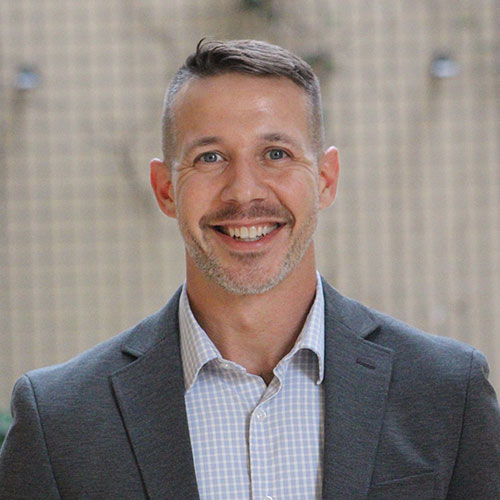
Bill Wilker
Vice President of Hospital Medicine
Bill joined LocumTenens.com in 2017 as a Managing Director of Recruiting in the Hospital Medicine division, helping to lead recruitment efforts on several of the fastest growing medical specialties in the country. In 2022, he was promoted to Associate Vice President, taking on more leadership of the division and serving as a contributor to several major company initiatives. In the fall of 2023, Bill was selected to lead the Hospital Medicine division, where he continues to serve today. Prior to joining LocumTenens.com, he was a founding member of a regional marketing firm and later led corporate recruiting for an Atlanta based health education company. Hailing from the Atlanta area, Bill graduated from the Cambell Business School at Berry College.