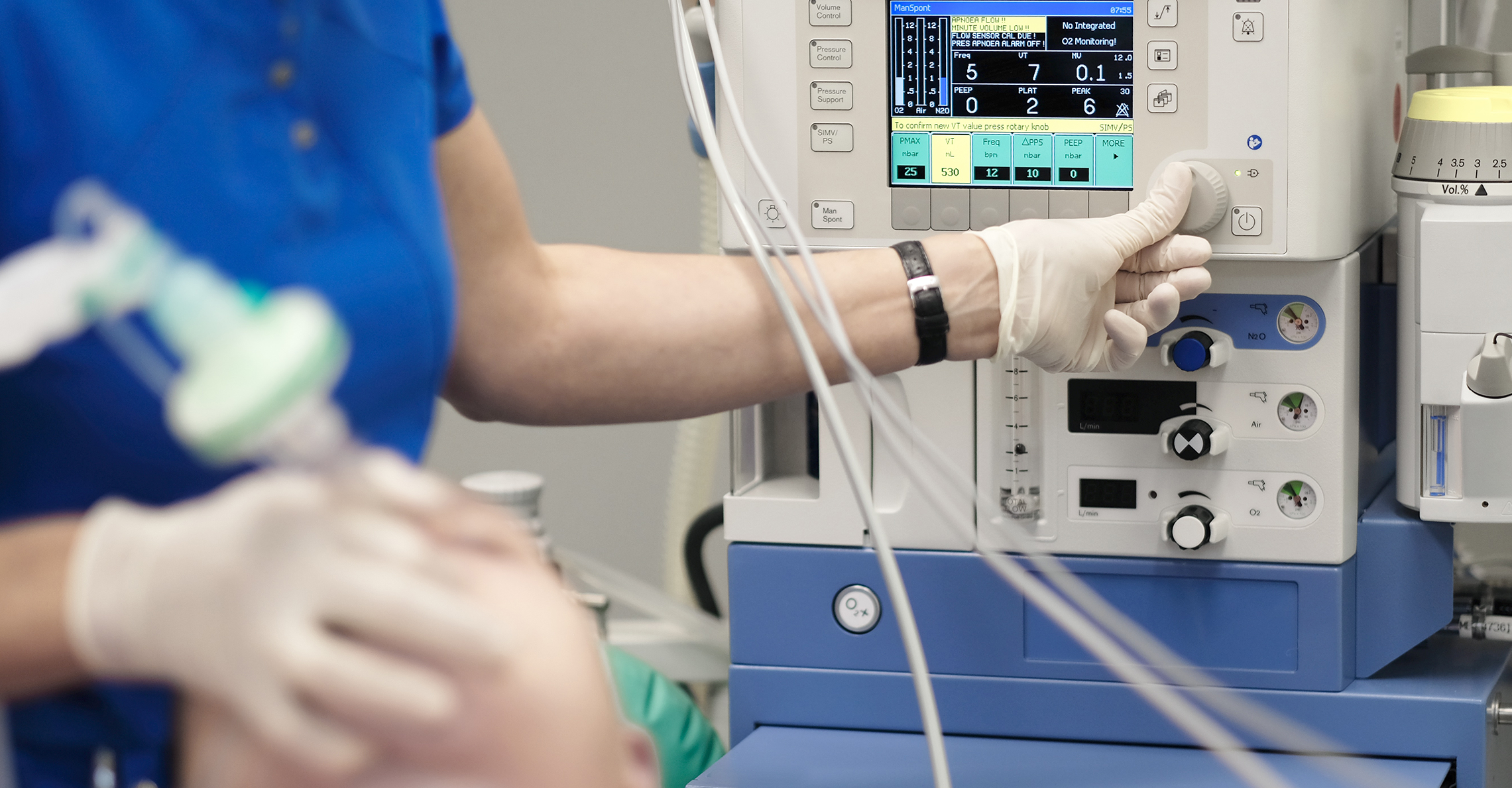
What trending technologies are at play in the anesthesia market, and how can they improve patient outcomes? Here's where these technologies stand today and where they are headed tomorrow.
Prediction and prevention with clinical AI implementation
One compelling example of AI in anesthesia is its application to intraoperative hypotension, a complication that can lead to organ injury and longer hospital stays. Research published in the Journal of Clinical Medicine suggests AI-driven algorithms can reduce these events by up to 40%, giving clinicians earlier warnings and more time to intervene.
Closed-loop drug delivery systems represent another advancement. Platforms like McSleepy automate the titration of anesthetic agents based on real-time patient data, leveraging superior algorithmic accuracy in maintaining anesthetic depth compared to traditional manual methods, aiming for more consistent sedation and shorter recovery times.
Research interest is surging. A bibliometric analysis published in Frontiers in Medicine found 658 articles on AI in anesthesiology indexed globally between 2004 and 2024, with a notable surge between 2019 and 2020.
AI isn't making decisions for anesthesia providers. It provides better information faster.
In a study published in BMC Anesthesiology, AI-assisted anesthesia method selection aligned with anesthesiologists' choices nearly 69% of the time, positioning it as a decision support tool rather than a replacement.
VR in training and patient care
Virtual reality is transforming how the next generation of anesthesia providers learns complex procedures. According to research in the European Journal of Medical Research, VR-based simulation improves technical skills in airway management, spinal and epidural anesthesia, and nerve blocks, all in risk-free environments where mistakes become learning opportunities instead of patient safety events.
The market reflects this momentum. Grand View Research projects the global VR healthcare market will grow from $5.62 billion in 2024 to $29.38 billion by 2030, driven largely by surgical simulation and training applications.
VR healthcare market growth
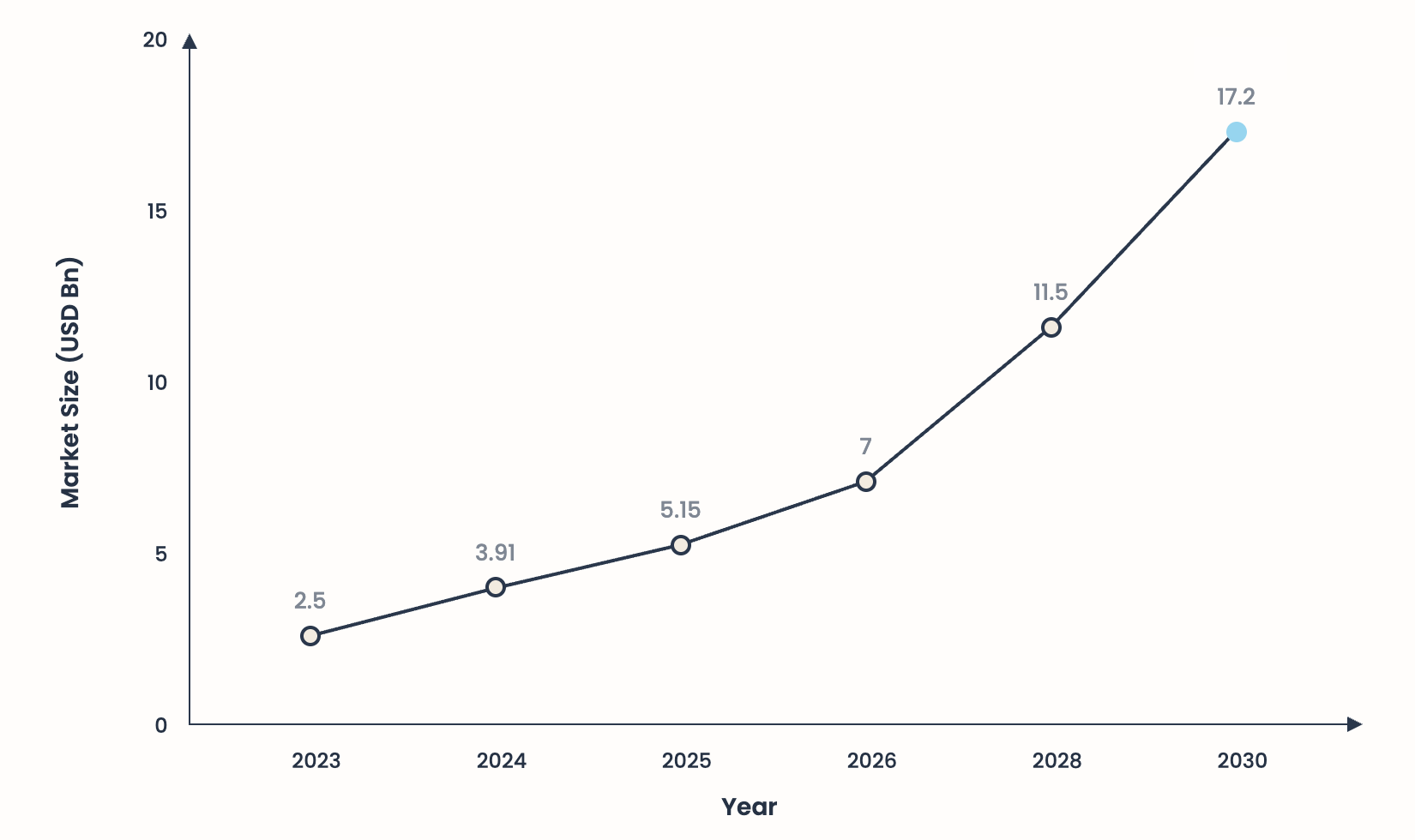
Sources: Grand View Research, Statista, MarketsandMarkets
VR isn't just for education. Research shows VR distraction during minor procedures under local anesthesia significantly reduced both pain perception and anesthetic requirements, a win for patient comfort and resource efficiency.
Tele-anesthesia and remote monitoring
The pandemic accelerated telehealth adoption across specialties, and anesthesia is no exception. According to a narrative review in A Journal of Angiotherapy, tele-anesthesia models report 93–95% patient satisfaction and 85–90% provider satisfaction, with measurable clinical benefits: a 15% reduction in intraoperative adverse events and 10–12% fewer postoperative readmissions.
Remote patient monitoring has expanded dramatically. Medicare RPM expenditures grew from $6.8 million in 2019 to $194.5 million in 2023, underscoring telehealth's growing role in perioperative care. Rural practices, in particular, are showing strong interest in adopting new remote patient monitoring technologies.
What this means for anesthesia
These technologies share a common thread: they streamline routine tasks, extend clinical reach and empower real-time decision-making to free up anesthesia providers to focus on the complexities of their work for which they were extensively trained. Each in turn speaks to the growing demand among anesthesiologists and other healthcare providers for control over their own work, their efficiency and their schedules in pursuit of work/life balance. These flexible solutions, along with locum tenens work and other innovations, are rapidly becoming integral threads in the weave of U.S. healthcare.
Emerging tech in healthcare and anesthesia opportunities
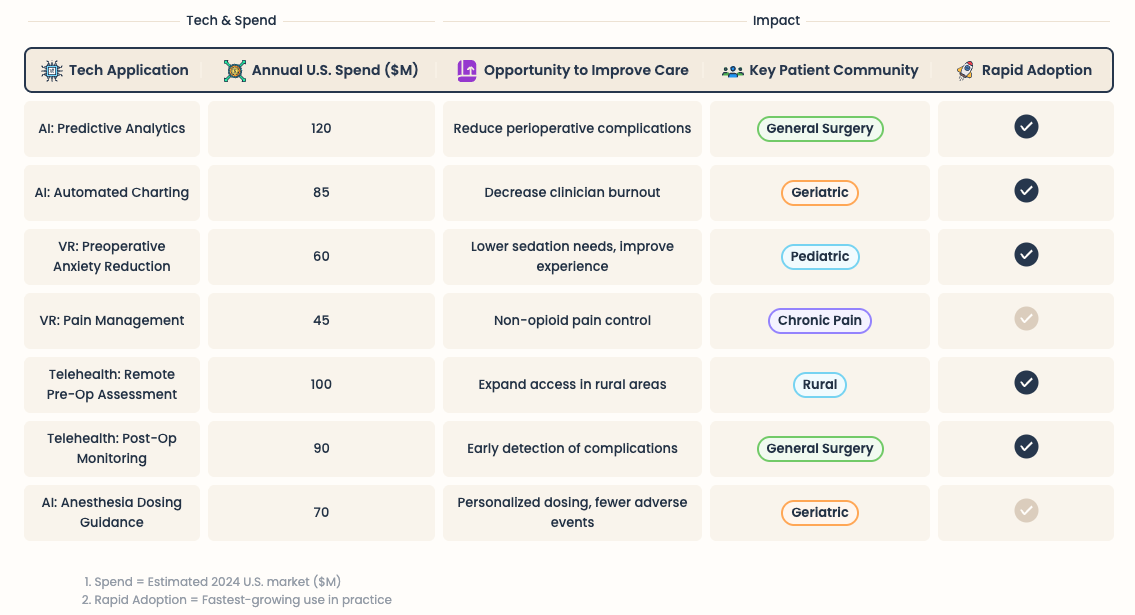
Although the technology is growing by leaps and bounds, AI is not positioned to replace trained anesthesiologists who recognize patients’ subtle signs of distress.
VR cannot substitute for the experience of a CRNA mentoring a new graduate through a difficult intubation. But both can make those clinicians more effective, and implementing a telehealth option is a proven method for increasing access to effective care. Looking ahead, 2026 will be a pivotal year in revealing how these technologies shape the future of healthcare delivery.
Use the LocumTenens.com job board for up-to-date anesthesiology assignments or find highly skilled anesthesiologists here.

About the author
Kyle Hadley
Vice President, Anesthesia
Kyle started his career at LocumTenens.com in 2009 in the accounting department, but his desire to serve customers directly guided him to a career in sales. He has held various roles including senior account executive, managing director and associate vice president. He was named vice president of the anesthesia division in January 2021, and in that role, he focuses on strategic initiatives and operations to serve a growing market.
Kyle graduated with his B.B.A. in finance and accounting from the University of West Georgia. He has been named producer of the month and manager of the month several times, and he’s also a Max Award Winner, won Manager of the Year in 2018 and was named a partner at the company in 2019. When he’s not working, Kyle enjoys spending time with his wife, Louisa, and his two sons, Gil and Law, preferably outside.