
Key takeaways
- NICU admission rates are rising across the U.S., creating a growing need for specialized neonatal care and reliable clinician coverage.
- The first 28 days of life are especially critical, making timely access to skilled neonatal teams essential for improving newborn outcome.
- Healthcare organizations should proactively assess staffing gaps and workforce needs to maintain consistent care as demand for NICU services increases.
The first month of life is the most critical time for a child's survival, making trusted neonatal care indispensable. And even though global neonatal deaths have decreased by 44% since 2000, neonatal intensive care unit (NICU) rates have risen across the country. For healthcare leaders, rising NICU admissions pose an important workforce question: As more babies require specialized neonatal care, do you have the clinicians you need to meet demand?
We’re recognizing the critical role of neonatal care while taking a closer look at the workforce challenges that can affect patient access.
More infants are entering NICUs
The percentage of infants admitted to a NICU has steadily increased over the past several years. Between 2016 and 2023, admission rates rose in 40 states, with some states seeing increases of up to 37%.
Those higher numbers are seen across every maternal age group, with infants born to mothers aged 40 and older experiencing the highest rates.
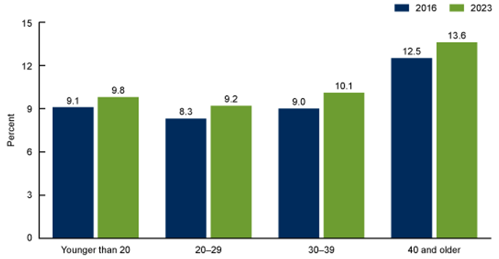
From CDC: Percentage of infants admitted to a NICU, by age of mother: United States, 2016 and 2023
With an increase in complex pregnancies and an uneven distribution of specialists, healthcare organizations need to find new ways to endure consistent neonatal care.
The first days are the most vulnerable
Nearly 47% of deaths among children under 5 occur during the newborn period, making the first 28 days critical for dependable care and treatment.
Newborns can face serious risks from premature birth, birth complications, infections and congenital conditions. In the U.S., complications related to congenital conditions, short gestation and low birthweight, and sudden infant death syndrome were among the leading causes of infant death in 2024.
Many neonatal deaths are linked to conditions that can be treated with timely, appropriate care during the first 28 days of life. That’s why healthcare organizations must ensure their NICU and neonatal teams have the skilled clinicians and support needed to deliver that care.
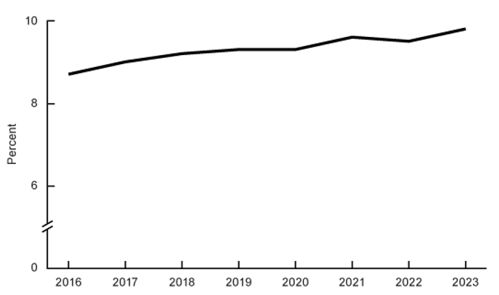
From CDC: Percentage of infants admitted to a NICU: United States, 2016–2023
Consistent care depends on access to skilled clinicians
Delivering essential care to vulnerable newborns requires more than specialized facilities and equipment. It also depends on having clinicians available to provide care beyond the NICU. While mothers and newborns should receive at least three postnatal visits after discharge, workforce challenges make it difficult for many healthcare organizations to provide this level of ongoing care.
And as NICU admission rates rise, healthcare leaders should consider whether current staffing models are set up to provide consistent coverage to meet community need.
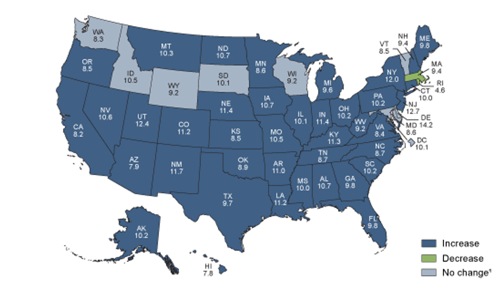
From CDC: Percentage of infants admitted to a NICU by state for 2023 and changes in rate by state from 2016 to 2023
Preparing for the growth of neonatal care
Rising demand for neonatal care makes it critical for healthcare leaders to identify workforce gaps and assess their impact on patient outcomes — and that starts with taking a closer look at current and anticipated workforce needs:
Do you have enough clinicians to maintain coverage?
As demand changes, organizations need to understand whether their existing teams have the capacity to support patients who require specialized neonatal care.
Where could staffing gaps affect access?
Identifying potential coverage challenges early can help organizations prepare before a workforce shortage becomes a patient access issue.
How can you maintain consistent care when needs change?
Having additional workforce support available can give healthcare organizations another option when they need to address staffing gaps and maintain coverage.
The goal shouldn’t be to simply fill an open position, but to make sure skilled care is available when newborns and their families need it most.
Supporting newborns starts with supporting your workforce
With NICU admissions increasing in the U.S., are you prepared to meet the demand for specialized care?
At LocumTenens.com, we understand that maintaining consistent coverage isn’t easy. Our team can help you navigate your workforce challenges and find solutions that support access to the care patients need.

About the author
Bill Wilker
Vice President of Hospital Medicine
Bill joined LocumTenens.com in 2017 as a Managing Director of Recruiting in the Hospital Medicine division, helping to lead recruitment efforts on several of the fastest growing medical specialties in the country. In 2022, he was promoted to Associate Vice President, taking on more leadership of the division and serving as a contributor to several major company initiatives. In the fall of 2023, Bill was selected to lead the Hospital Medicine division, where he continues to serve today. Prior to joining LocumTenens.com, he was a founding member of a regional marketing firm and later led corporate recruiting for an Atlanta based health education company. Hailing from the Atlanta area, Bill graduated from the Cambell Business School at Berry College.