
Key takeaways
- Nearly 80% of patients who switch clinicians cite non-clinical hassles as the last straw.
- Patients are building health records outside any EHR, while AI is making that data interpretable without a medical degree.
- Seeing continuity of information as a value-based care performance metric reframes personalization as a priority.
Electronic health records have come a long way, but they still have further to go
For many patients, the health record systems feel designed around the billing encounter, not the patient journey. Non-clinical friction such as business difficulties, bad administrative experiences and inadequate digital solutions accounted for nearly 80% of patients who switched providers, rather than any sort of clinical failure. Health system leaders may have inherited this problem, but they are uniquely positioned to solve it.
What happens when patients take EHR into their own hands?
Patients are already accumulating health data outside your system through means like wearable technology, consumer apps, genetic testing and pharmacy records. More importantly, AI is making that data interpretable without a medical degree.
A patient who synthesizes their own labs and medication history before an appointment arrives with expectations. The question for health system leaders is this: Will your organization be part of a patient's care story, or a hurdle they clear once consumer tools are sufficiently sophisticated?
Viewing personalization through the lens of value-based care
Personalized care refers to more than a portal or a preference center. It means care that reflects who a patient is across time and settings. Value-based care contracts now reward what happens between visits, which means continuity of information is a contract performance issue. Every time a patient restarts their story from the beginning, value leaks from the system. The personalized healthcare market is projected to approach $1.2 trillion by 2034. Health systems that build the infrastructure for continuity now are positioning for that growth.
"Patients are not opposed to their data being used. They are opposed to it being used without their knowledge or in ways that do not benefit them."
Personalized care comes from custom-tailored workforces
Healthcare systems cannot personalize care that they cannot deliver consistently. So how can they adapt? Positive change in this environment means reducing process friction and solving the patient access problem.
The truth is that building the systems that support care continuity is a workforce flexibility issue just as critical as traditional staffing operations.
- Locum tenens staffing helps to close the coverage gap. When permanent staff is insufficient to meet patient demand, care gets delayed or delegated, leading to burnout. The right locums provider with the right context keeps care flowing.
- Telehealth closes the access gap. Telehealth and tele-locum models show meaningful improvements in rural specialist access and reduce transfers. Care comes to the patient, instead of the other way around.
The healthcare staffing conversation has changed
Coverage by itself is not care continuity. Health systems need more than a reliable staffing source; they need an established workforce partner who understands their community and the needs of their patient population.
Approaching your workforce as a long-term partnership rather than an ad-hoc crisis response frees up your clinician workforce to focus on personalized care delivery.
Ready to build a staffing model tuned to the needs of your patient community and your health system's needs? Talk to our team about what a strategic locum tenens partnership looks like for your facility.
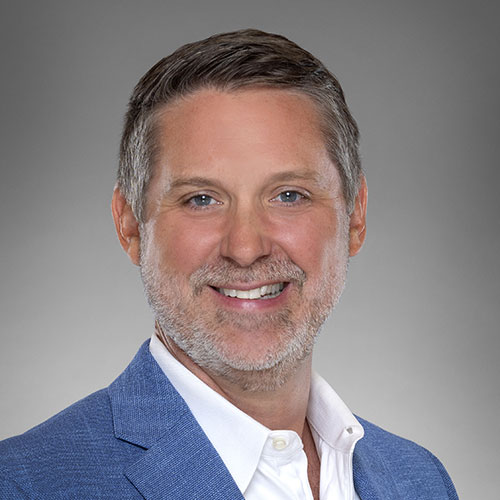
About the author
Scott Selby
Senior Vice President, Enterprise Solutions
Scott has over 20 years of healthcare and staffing experience with three different firms in the healthcare industry. After joining LocumTenens.com, he was asked to start a new division of the company and two years later was asked to join the Surgery team to lead the sales division. Scott is now a partner in the organization and oversees six of the company’s divisions including the Hospital-Based Surgery division, our account management divisions, national recruitment team, as well as the national business development team. He received his Bachelor’s Degree from the University of Georgia and is a huge fan of his Bulldogs.