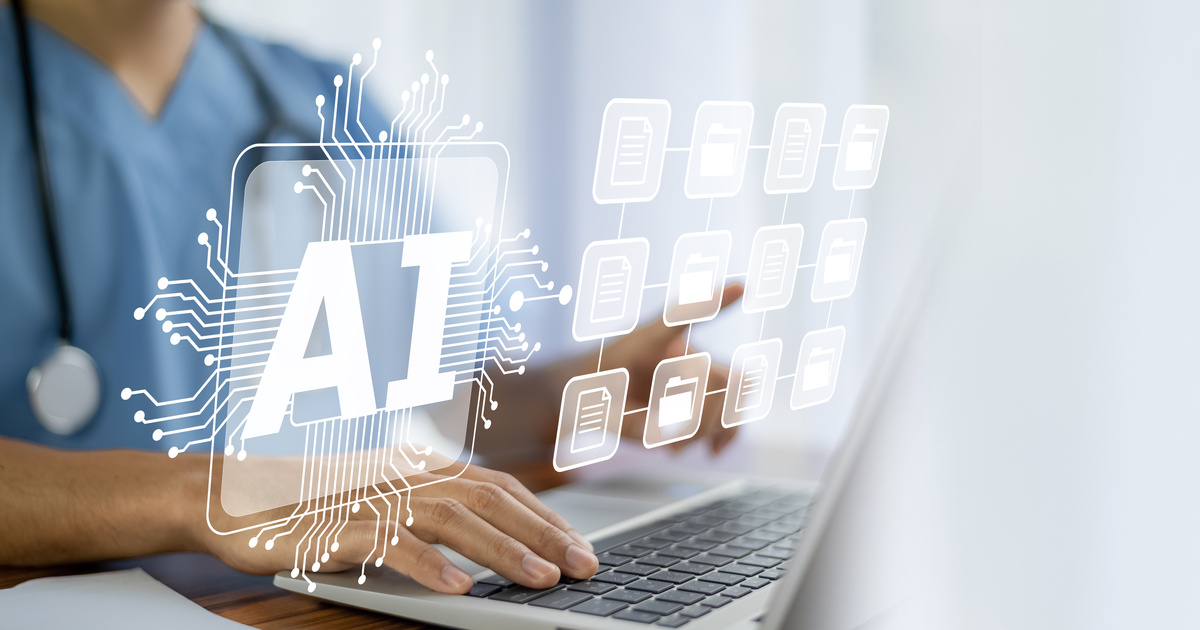
Hospitals are not using AI to cut clinical staff. They are using it to retire manual paperwork and legacy workflows that no one feels personally passionate about. That shift happens at the process level, and it shows up differently depending on the specialty.
Will AI replace doctors and nurses?
Clinicians don't think it will. In a global survey of 692 nurses and 2,065 physicians, 80% said AI will not replace clinicians, but it will become a critical assistant within the next decade. The AMA reports that more than 80% of physicians now use AI professionally, double what it was in 2023.
What is being replaced is the work around the work.
What is AI being used for in healthcare settings?
Almost entirely administrative work, not diagnosis. The highest-return applications this year include:
- Clinical documentation improvement and denial prediction, where 70% of adopters reported returns of 2x or better ROI.
- Ambient listening solutions, with 61% achieving 2x or better ROI.
Overall, 75% of health systems are using at least one AI application, up from 59% a year earlier. Among physicians, the leading individual uses are literature search at 35% and voice-based documentation at 29%.
Does AI save clinicians time?
Some. It improves how the day feels more than how much fits into it. One study across six health systems in 2025 found that clinician burnout fell from 51.9% to 38.8% after 30 days with an ambient scribe. But a 2026 study of roughly 1,800 clinicians measured about 16 minutes of documentation time saved per eight hours of care, and a separate study found appointment length and total visit time unchanged.
That is the clearest evidence for the process argument: AI is handling the administrative layer. But it is not creating more clinical capacity.
Can AI connect siloed EMR and legacy systems?
This is the newest application and the least proven. The problem is a familiar one: large systems run dozens of platforms never built to talk to each other, and AI adoption has added to that technology sprawl.
There is policy momentum behind fixing it. Oracle Health became a CMS Aligned Network in April 2026 and is building digital check-in tools under the agency's Kill the Clipboard initiative to end redundant intake paperwork. The company also reports clinicians using its documentation agent cut charting time by more than 40%, although that figure is vendor-reported rather than independently studied. These are promising indicators, but early ones.
What goes wrong when AI replaces a process badly
Two patterns show up consistently, and neither is the dramatic error people expect.
- Over-reliance. In a randomized study of clinicians reading MRIs, AI improved overall accuracy, but 46% of the errors that did occur came from clinicians accepting an incorrect recommendation.
- Loss of practice. In an examination of "augmented intelligence," 88% of physicians worry about losing clinical skills, and the concern is highest among those with fewer than 10 years in practice.
"The tools are almost never the problem. What decides whether a rollout helps or hurts is whether the training was sufficient for the staff directly impacted, and whether they were asked beforehand. When clinicians are informed after the decision is already made, we spend our time working around the system instead of with it."
- Jamie Threatt, DNP, AGACNP-BC, telehealth program director, LT Telehealth
Training separates a good rollout from an expensive one. Clinicians who received employer training saved over an hour a day at a 24% rate versus 16% among untrained peers. Yet more than a quarter of physicians in the 2026 AMA survey reported no AI training at all, and only 11% said they had received a lot.
The process AI has not replaced
Every study cited here measures documentation time, burnout or error rates. But none of them measure whether a department can cover next quarter's schedule. Emerging technologies change every quarter, but the need for uninterrupted care remains indefinitely.
For healthcare facilities, that makes the solutions more important than the platform. For clinicians, an established job board backed by real human recruiters means someone who carries the administrative load and helps you build the career you want.
Related content


About the author
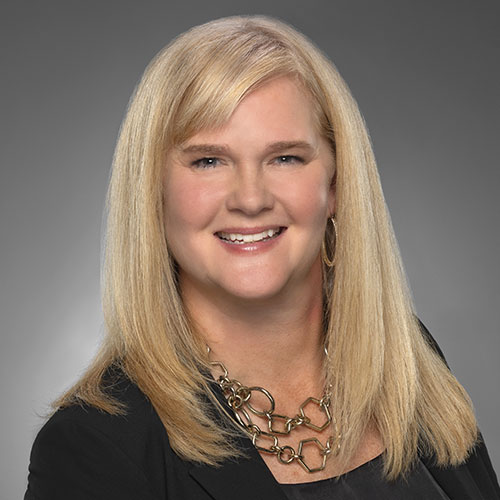
Susanne Hodges
SVP Information Services
Susanne Hodges joined LocumTenens.com in 2017 as Vice President of Customer Experience & Innovation, where she focused on LocumTenens.com's clients and providers and working across the business to address their needs and improve their experiences. In 2018 she became Senior Vice President of Information Services, where she leads the transformation of LocumTenens.com's approach to technology, innovation, data/analytics and customer experience. Prior to joining LocumTenens.com, Susanne spent 15 years working across a variety of industries with a focus in customer experience, strategic planning and business transformation. Susanne received her undergraduate degree from Georgia Tech and her MBA from University of North Carolina-Chapel Hill. Susanne resides in Atlanta, GA with her husband.